The pattern keeps returning. A different person, a different context, the same feeling underneath. Shadow work is how you stop repeating what you cannot yet see.
The relationship starts like the others. The job feels familiar in a way you cannot quite articulate. The argument is about something different this time, but it lands the same way it always does. You process it, make decisions, move on. And then it happens again.
Most people, when they notice this, assume the problem is external: the wrong people, the wrong circumstances, bad luck. Or they turn the blame inward and assume a character flaw that more effort should fix. Neither of these produces lasting change, because neither of them addresses what is actually driving the pattern.
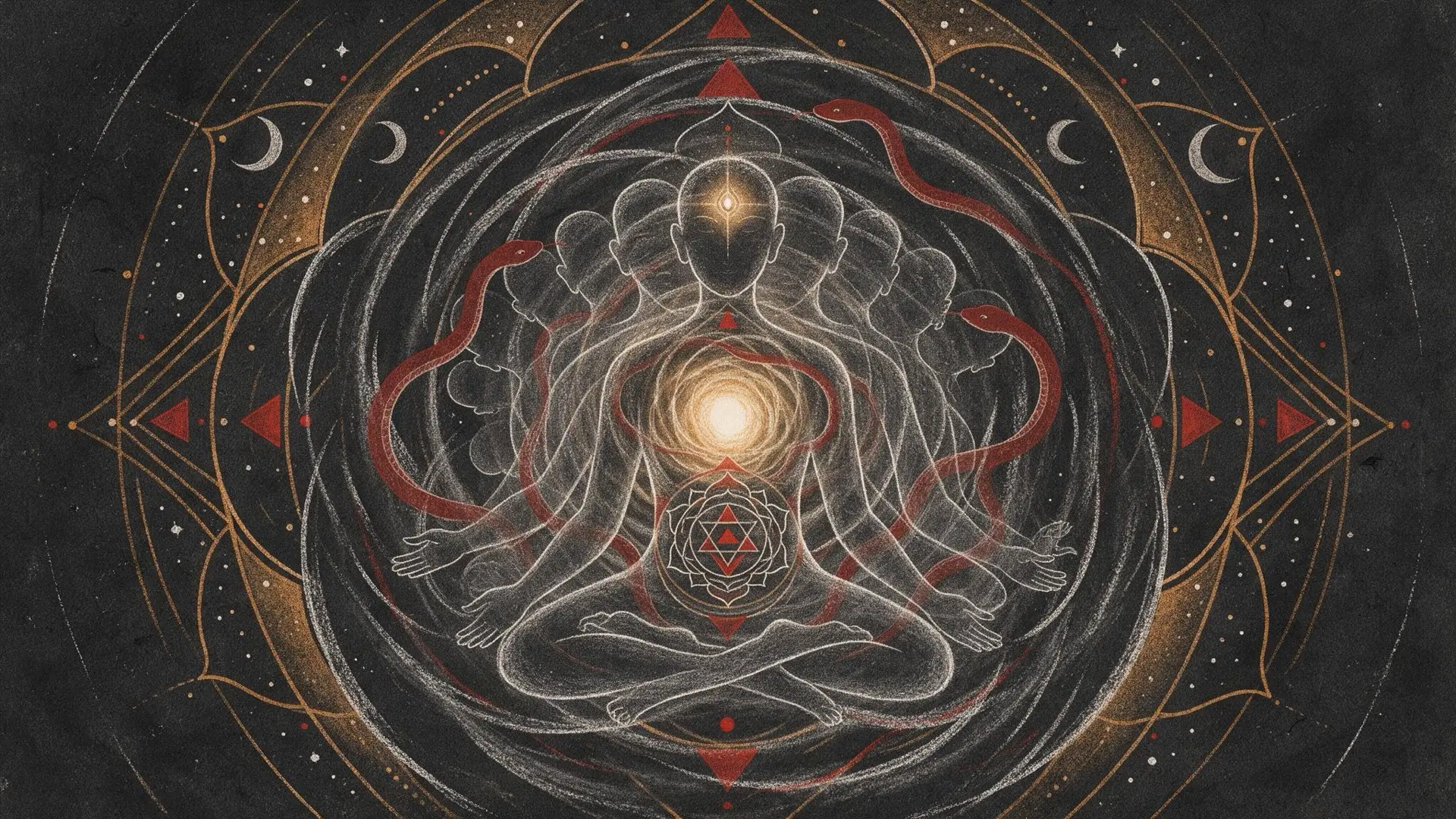
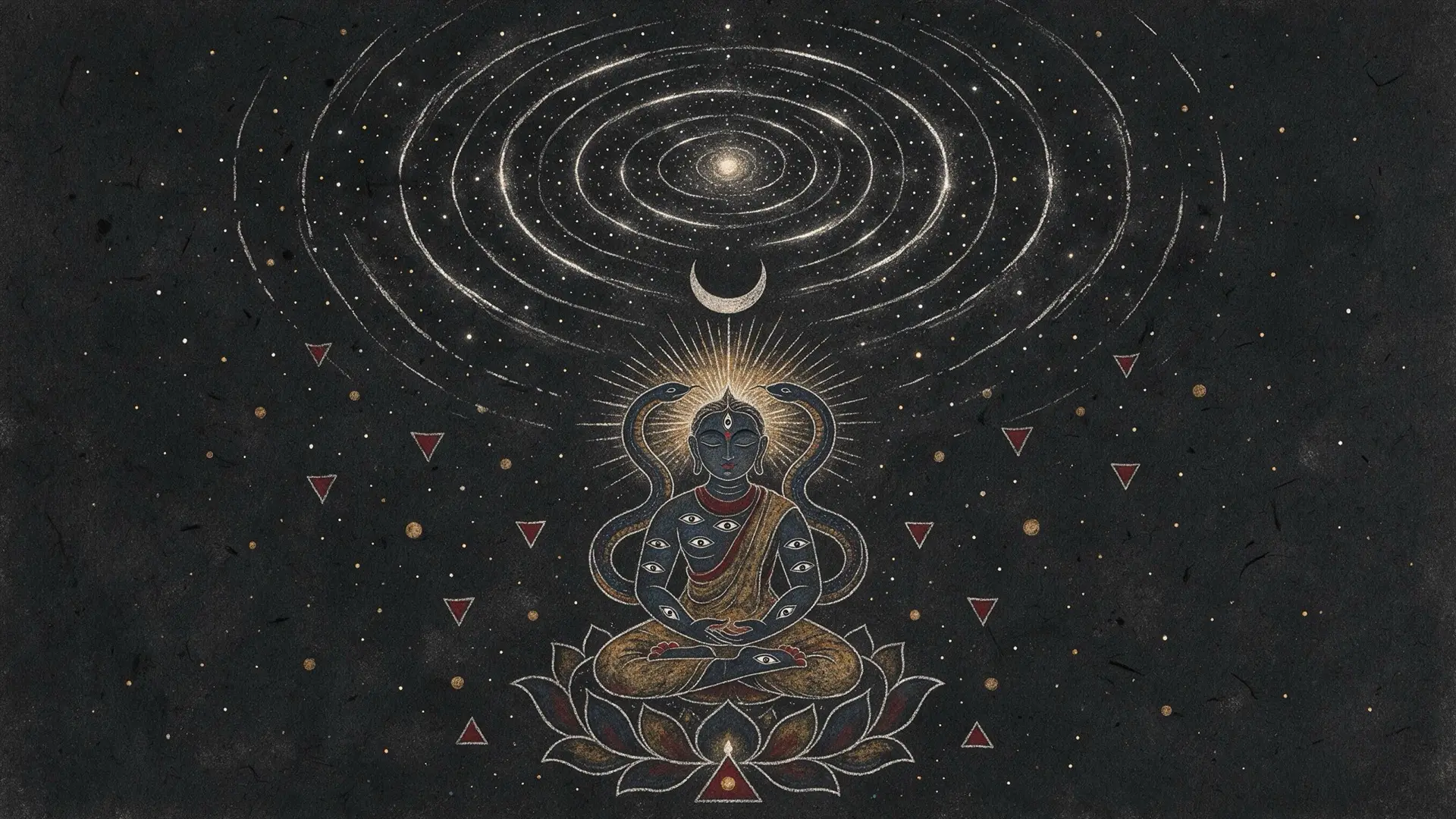
The shadow is the part of the psyche that has been pushed out of awareness. Not because it is evil, but because it was, at some earlier point, unacceptable: to the people who raised you, to the groups you belonged to, to the version of yourself that needed to survive that environment. The disowned material does not disappear. It goes underground. And from there, it organises your experience in ways you cannot see from the surface.
Carl Jung named the shadow in the early twentieth century. His observation was simple and has been confirmed by a century of clinical experience: whatever we cannot own in ourselves, we either project onto others or act out unconsciously. The more forcefully a quality has been repressed, the more power it holds over behaviour.
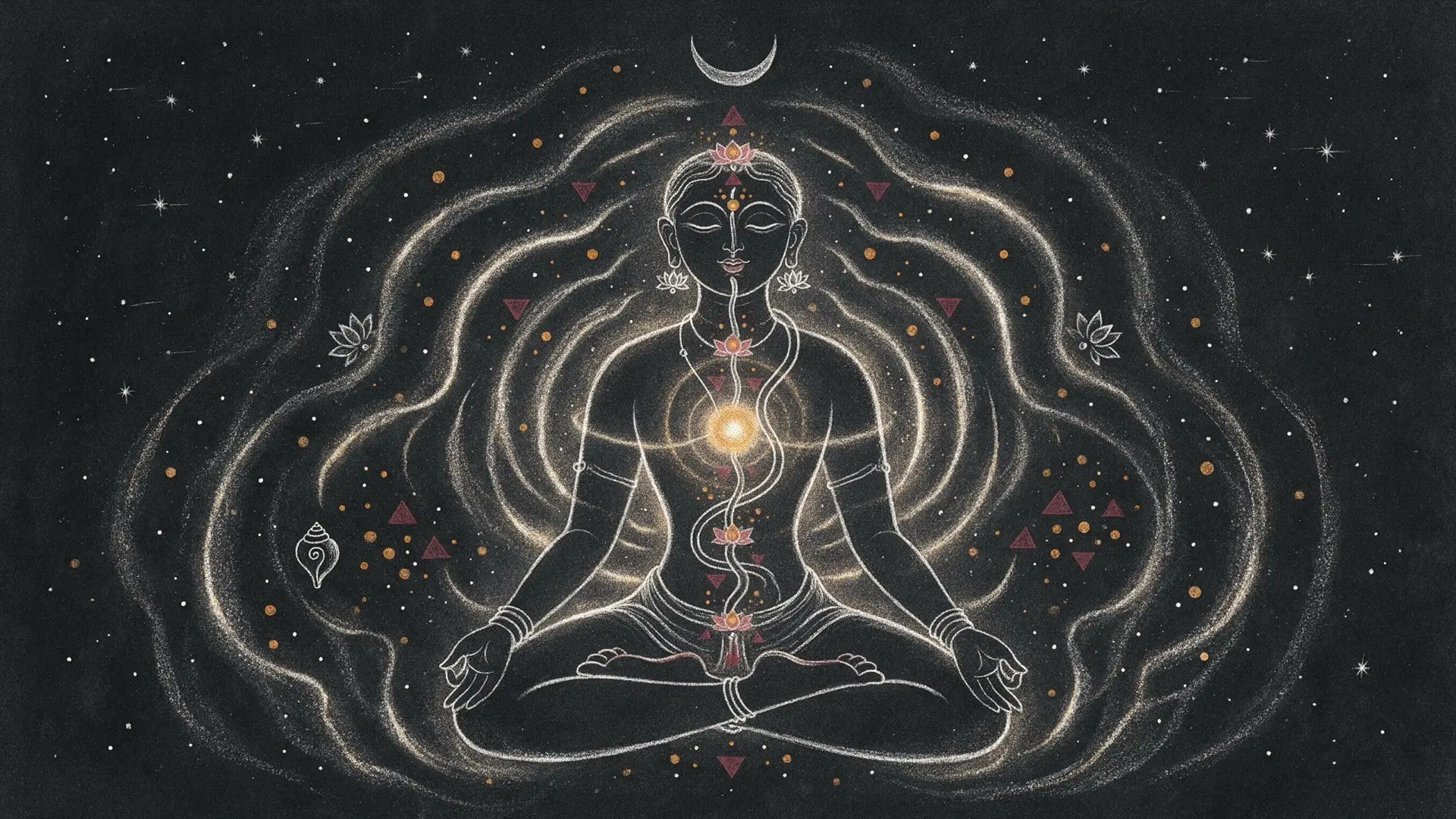
Shadow work is the process of turning toward that material with enough steadiness to see it, feel it, and bring it back into the whole. This is not about wallowing in what is dark, nor about justifying harmful behaviour by claiming it comes from the shadow. It is a precise process of contact, recognition, and integration.
Integration, not excavation. The goal of shadow work is not to relive the past but to reduce its control over the present. What has been seen and met with enough honesty loses much of its unconscious charge.
At Lyran, shadow work draws on the tradition of depth psychology but does not stop there. It combines the insight of psychological frameworks with the direct access that altered states of consciousness make possible. This combination reaches material that neither approach could access alone.
The shadow does not announce itself. It makes itself known through gaps between intention and behaviour, through reactions that feel disproportionate, through patterns that persist despite genuine effort to change them.
Any of these, consistently present, suggests that something is operating below the level of conscious awareness. That is not a diagnosis of damage. It is a normal feature of human psychological development. The question is whether it continues to run unexamined.
The most common response to recognising a pattern is to try harder. Set new rules, build accountability, practice more awareness. Sometimes this helps at the surface. For patterns rooted in the shadow, it does not go deep enough.
The shadow operates below conscious will. It is not a choice you are making and then forgetting about. It is a part of the psyche that has been running its own logic, independently, often for decades. The beliefs it holds were formed in contexts that no longer exist. The defences it maintains were once protective. None of this is accessible to conscious effort applied from the surface, because it was specifically structured to remain hidden from conscious scrutiny.
You can understand that you keep choosing the same dynamic, and still choose it again. The shadow does not respond to insight alone. It responds to being met.
This is why people who have done years of productive therapy still find certain patterns intact. It is not a failure of therapy. It is a difference in the level being addressed. Therapy works at the level of cognition and relational experience. The shadow often lives deeper than either of these can reliably reach.
Working with spiritual hypnosis or other altered states bypasses the ordinary defenses of the conscious mind. In those states, the material that has been kept out of awareness becomes accessible in a different way. Not intellectually recalled, but directly felt and encountered.
Lyran is a spiritual practice based on the Sunshine Coast, a short drive from Noosa. Sessions with Morgane work with the shadow through altered states of consciousness: conditions in which the ordinary defenses of the conscious mind become more permeable and deeper material becomes accessible without destabilisation.
This is not regression work in the classical sense. There is no need to revisit traumatic memories in graphic detail. The work creates a held container in which what has been avoided can be approached, witnessed, and worked with in a way that produces genuine integration rather than re-traumatisation.
Sessions may draw on spiritual hypnosis, breathwork, or transmission, depending on what the person needs and what presents in the session. A spiritual healer near Noosa who works at this depth is rare. The work is guided throughout.
Note: Shadow work can be intense. It complements, but does not replace, medical or psychological care. If you are currently working with a therapist or psychiatrist, this work is most effective when done alongside that support, not instead of it.
Sessions are available in person on the Sunshine Coast and online. An energy healer in Noosa who works with both the energetic field and the psychological shadow offers a scope that neither approach alone provides. Remote sessions produce results that are consistent with in-person work.
The thing you keep avoiding is not the obstacle to your life. It is pointing directly at what needs your attention. The pattern that keeps repeating is not evidence of how stuck you are. It is the shadow showing you, again, what has not yet been seen.
Shadow work near Noosa with Morgane. Sessions in person on the Sunshine Coast and online worldwide. To book or to ask a question before committing to a session, call +61 412 168 070.